Compatibility brief
Can Cherry Barb live with Siamese Algae Eater?
Caution. Check the issues below before buying.
Cherry Barb and Siamese Algae Eater: Identification or trade-name ambiguity for at least one side, so this is a cautious read, not a green light. Plan for adult sizes, a stable shared water window, and individual behaviour; verify against a second reference you trust.
Compatibility score
Profile confidence: low
Order of checkstank volume vs adults → predation mouth gap → temperament / fin nipping → shared water windows.
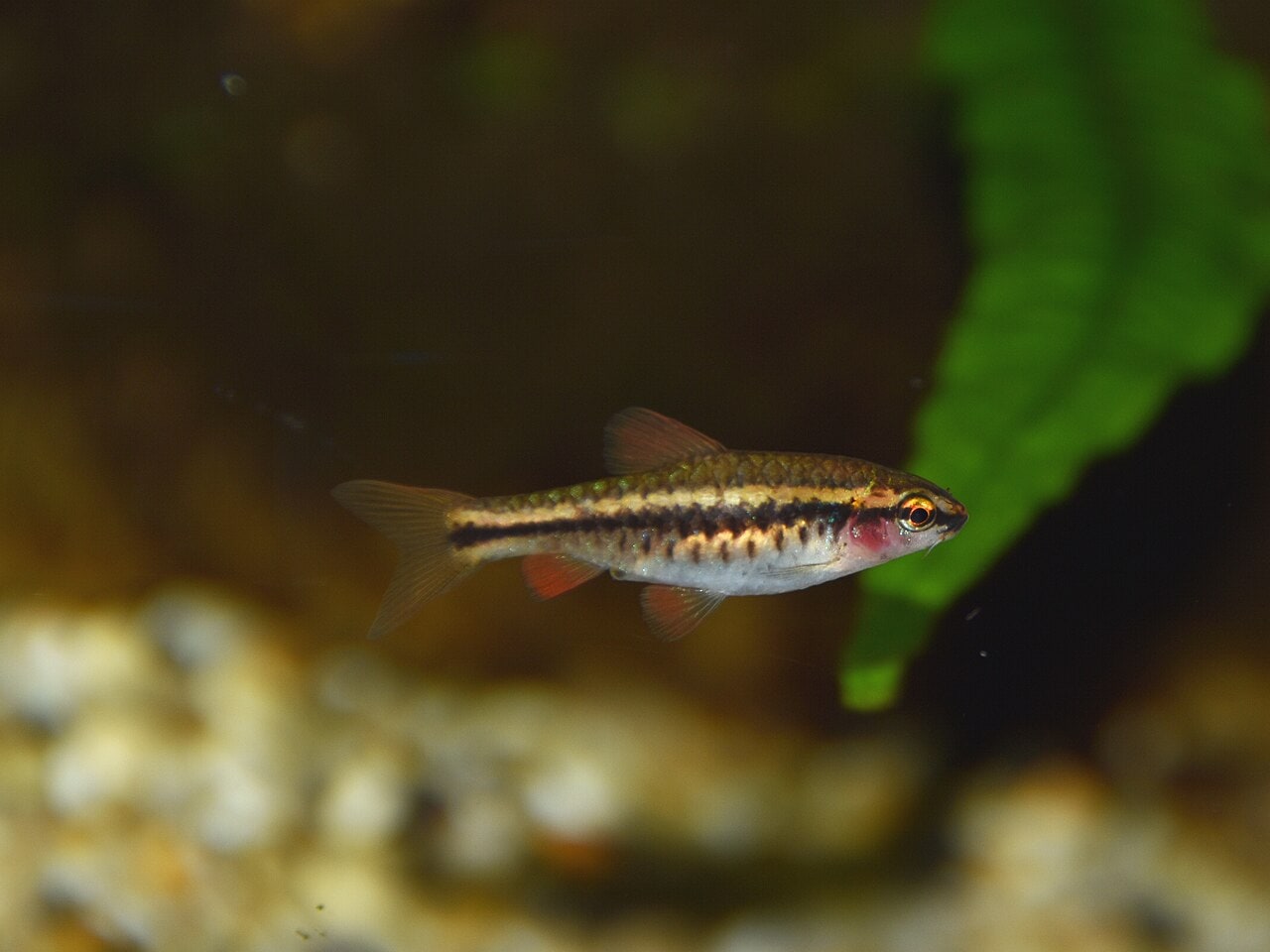
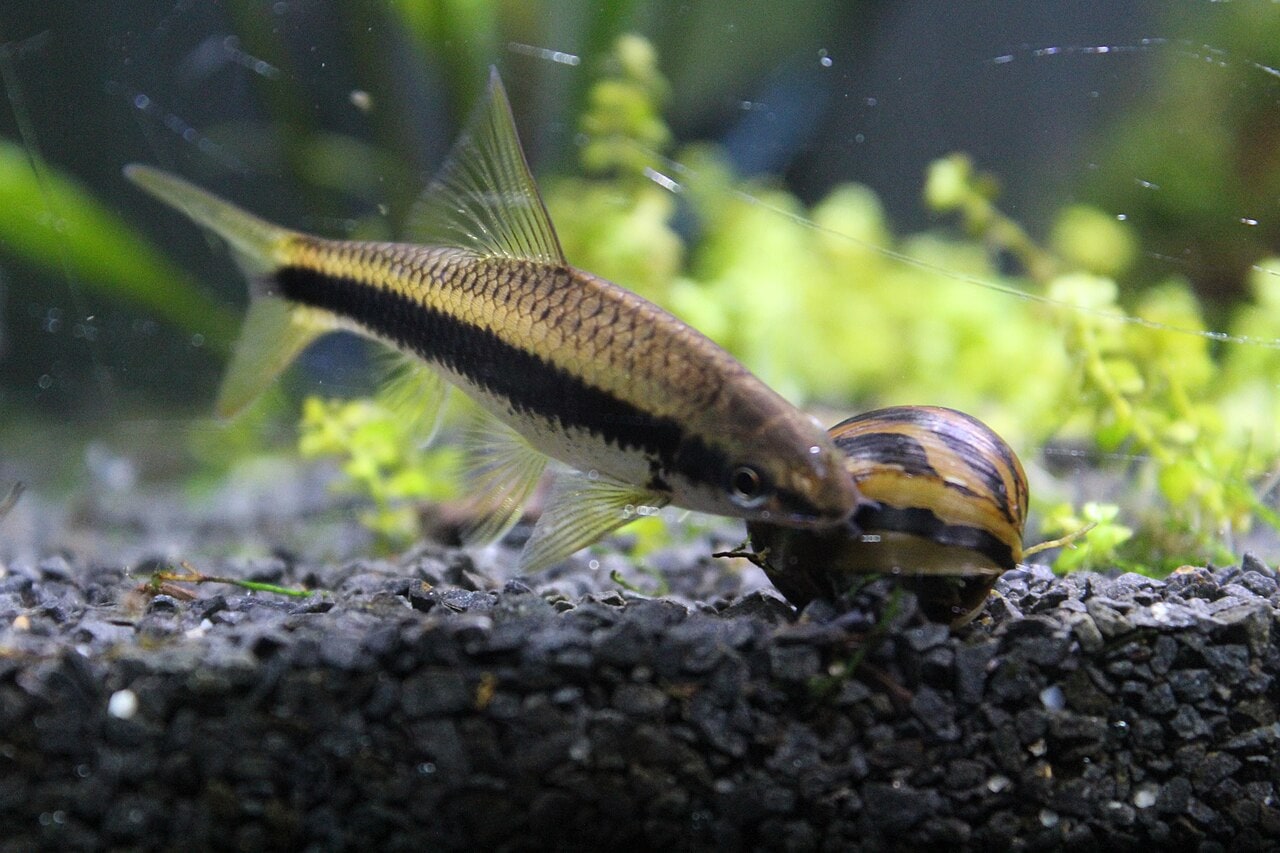
100L
Combined minimum footprint reference for these two species: about 100L (larger active fish often want more length).
Assessment details
Data or identification limits
Top issueAt least one fish has common trade or ID ambiguity, so the numbers here may not match the individual in the shop.
Compatible temperaments
Both Cherry Barb and Siamese Algae Eater share a peaceful temperament.
Compatible temperature range
Both fish can comfortably share similar water temperatures.
“At least one fish has common trade or ID ambiguity, so the…”
Data or identification limits
Next steps
Concrete changes, not "research more" filler.
- •Cherry Barb should be kept in a group of at least 6 for best health and behaviour.
Try instead
- →Cherry Barb should be kept in a group of at least 6 for best health and behaviour.
- Seriously Fish. Puntius titteya
Primary: aquarium size, water chemistry, behaviour, and compatibility (URL verified in upgrade script; recheck if site content changes).
- FishBase. Puntius titteya
Secondary: taxonomy, distribution, and maximum length in nature; cross-check with aquarium import lines and measured tank parameters.
- Wikipedia. Puntius titteya
Secondary: general species context; verify all husbandry numbers against a dedicated aquarium care sheet and your test kit, not a single table row.
- FishBase. Pethia titteya
Taxonomy, distribution, and typical max length in natural/wild contexts (cross-check to aquarium import lines).
- Wikipedia. Pethia titteya (cherry barb)
Encyclopaedia overview; use specialist aquarium sources for your stock's real temperature/pH/footprint needs.
- LiveAquaria. Siamese Algae Eater (care profile)
Primary: retailer care sheet: tank size, water parameters, diet, and use in planted community tanks. Commercial copy may list C. siamensis; trade 'SAE' is often a mix of similar Crossocheilus. Identify the fish, not the bag label alone.
- Planet Catfish. Labeoninae (Crossocheilus and look-alikes)
Primary: Cat-eLog subfamily list for Crossocheilus and related Asian labeonins; the standard reference when separating SAE from Epalzeorhynchos 'flying foxes' and other doppelgängers.
- FishBase. Crossocheilus oblongus
Secondary: species-level taxonomy and size in the wild; reconcile with the fish in your tank, not every shop's name tag.
Try this next
Build the full stocking list with Cherry Barb + Siamese Algae Eater
Plan further
Try both species in the full-stock tank check, or open either fish profile for mates lists. Methodology explains how verdicts are produced.
Individual fish vary in personality. Fishori uses conservative hobby rules. Observe any new introduction closely, feed thoughtfully, and keep a quarantine or backup plan. This is not veterinary advice.
Profile data confidence: medium. Driven by the lower-confidence profile (Siamese Algae Eater): Based on typical aquarium care sources; trade names can be ambiguous, so details may vary between setups.